 Updated Aug 23 · Calgary
Worth stepping outside for
Happening now
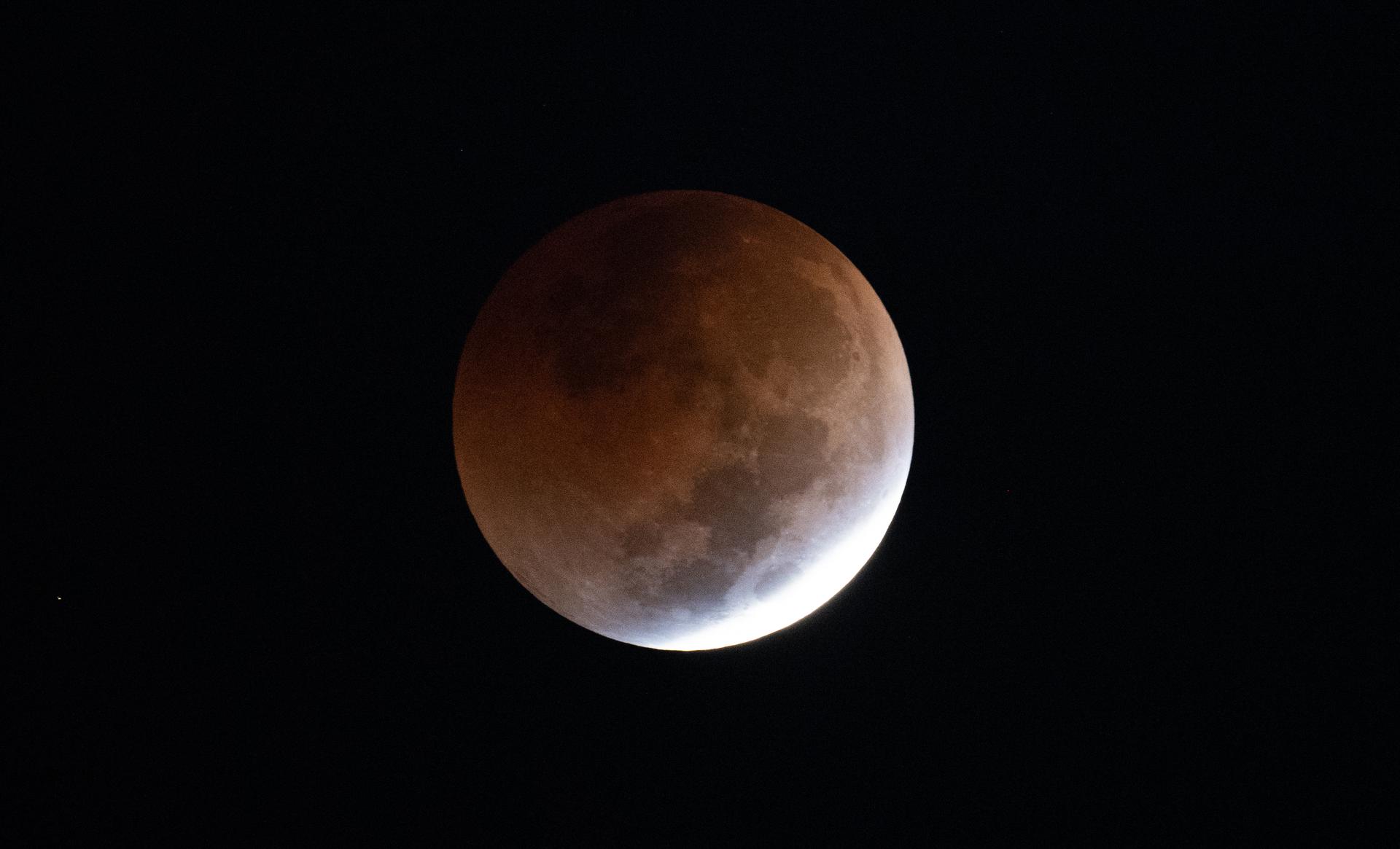
The moon slides into Earth's shadow
For a couple of hours the moon will pass behind the Earth, and you can watch it happen in real time. A dark curve creeps across the face of the moon, and the part it swallows doesn't go black: it turns a dull copper orange, staying lit the whole way through. What you are seeing is the Earth's own shadow, with our planet sitting between the sun and the moon, and it only ever happens on a full moon. The orange is the best part: it's every sunrise and every sunset on Earth at once, bent through the edge of our atmosphere and landing on the moon. Nothing to buy, nothing to set up, and no reason to look away.
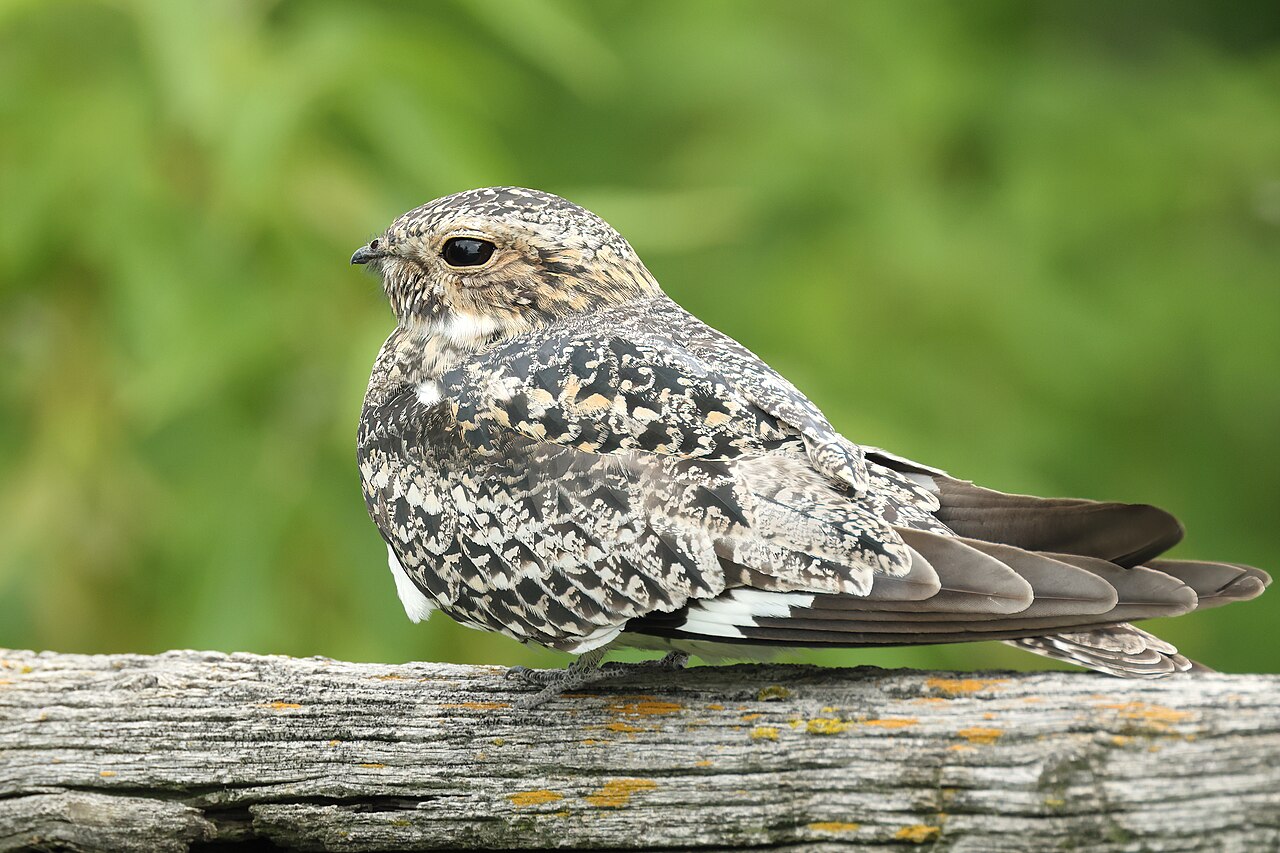
Nighthawks are streaming south
In the last weeks of August the evening sky fills with birds most people never look up to see. Common nighthawks are not hawks but nightjars, and they are on their way to South America, feeding as they travel and catching insects in a gape that opens far wider than the tiny bill suggests. Look for the flight before you look for the bird: buoyant and erratic, almost bat-like, the wings crooked back to a point, with a white bar flashing partway out along each one. Plenty of them were raised a few blocks from downtown, because a nighthawk builds no nest at all and lays its two eggs straight onto open gravel, including the gravel on a flat city roof. By the middle of September the dusk sky is quiet again.
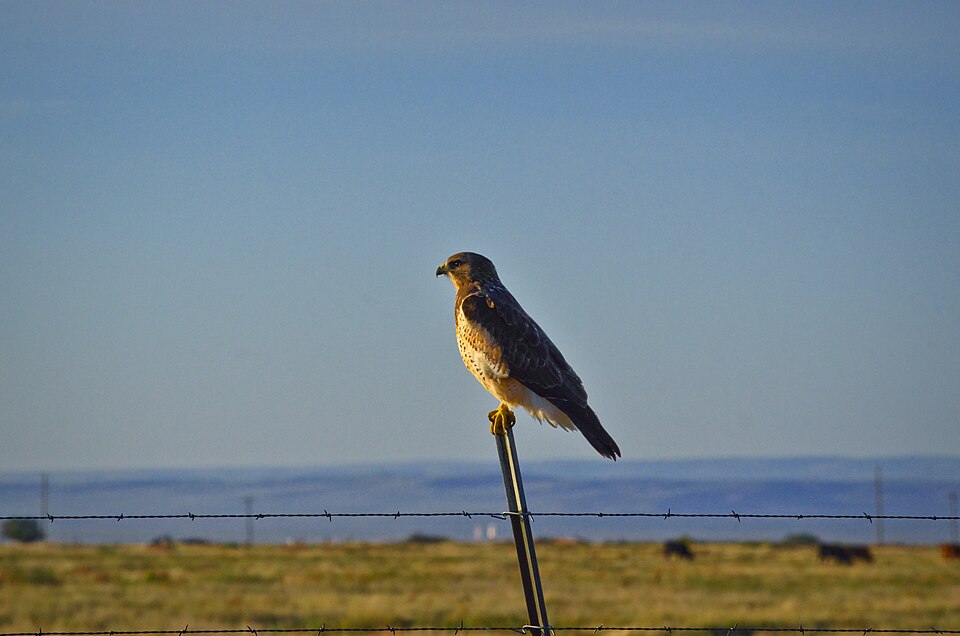
Swainson's hawks are gathering
Southern Alberta's summer hawk is starting to flock up. Before leaving, Swainson's hawks switch to a grasshopper diet and gather on fence lines and fresh-cut fields, stocking up for one of the longest migrations of any raptor: roughly 10,000 km to the grasslands of Argentina. Over the next few weeks the groups grow into swirling kettles. Then, one day in September, the sky is simply empty of them.
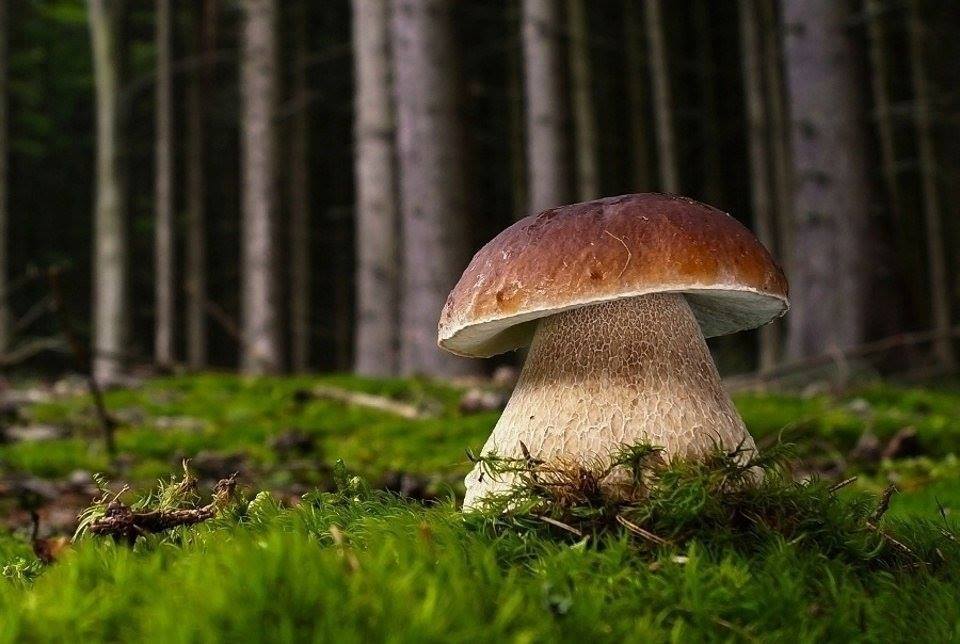
Mushroom season is warming up
Late August is when the mushroom year gets interesting, and the trigger is rain. A good soak followed by a few warm days can flush boletes and others up through the spruce duff within the week. Nothing to chase today; when conditions line up, this card will change and tell you.
Chokecherries are turning black
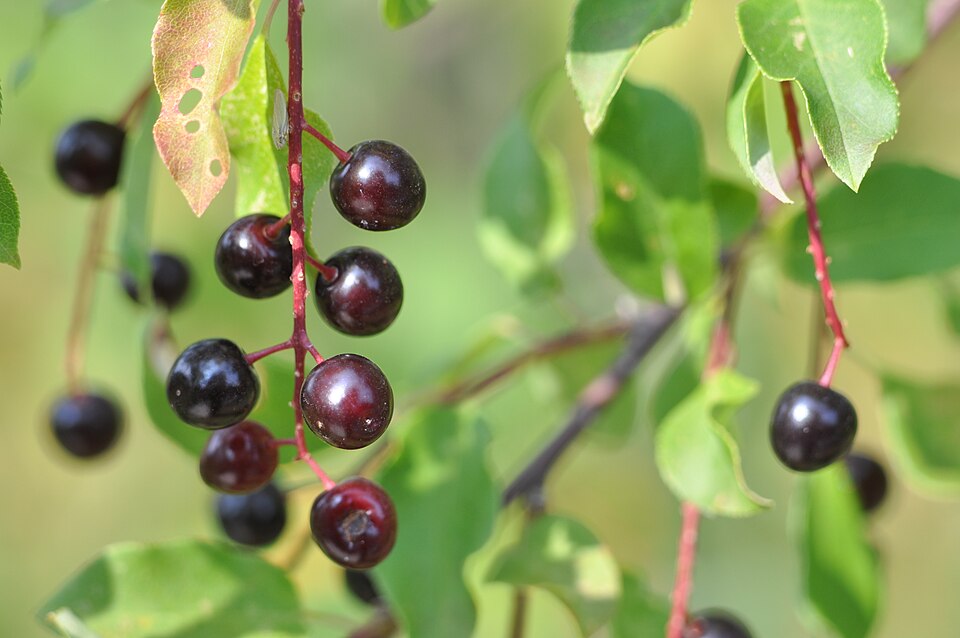
The city's chokecherries are shading from red to nearly black, and that's ripeness. Too astringent to enjoy raw (the name is honest), they're the classic prairie syrup-and-jelly fruit, and for robins and waxwings they're the feast of late summer. Watch a heavily loaded tree for ten minutes and count the visitors. If you pick, take only the flesh; the pits and leaves aren't safe to eat.
The gophers are disappearing
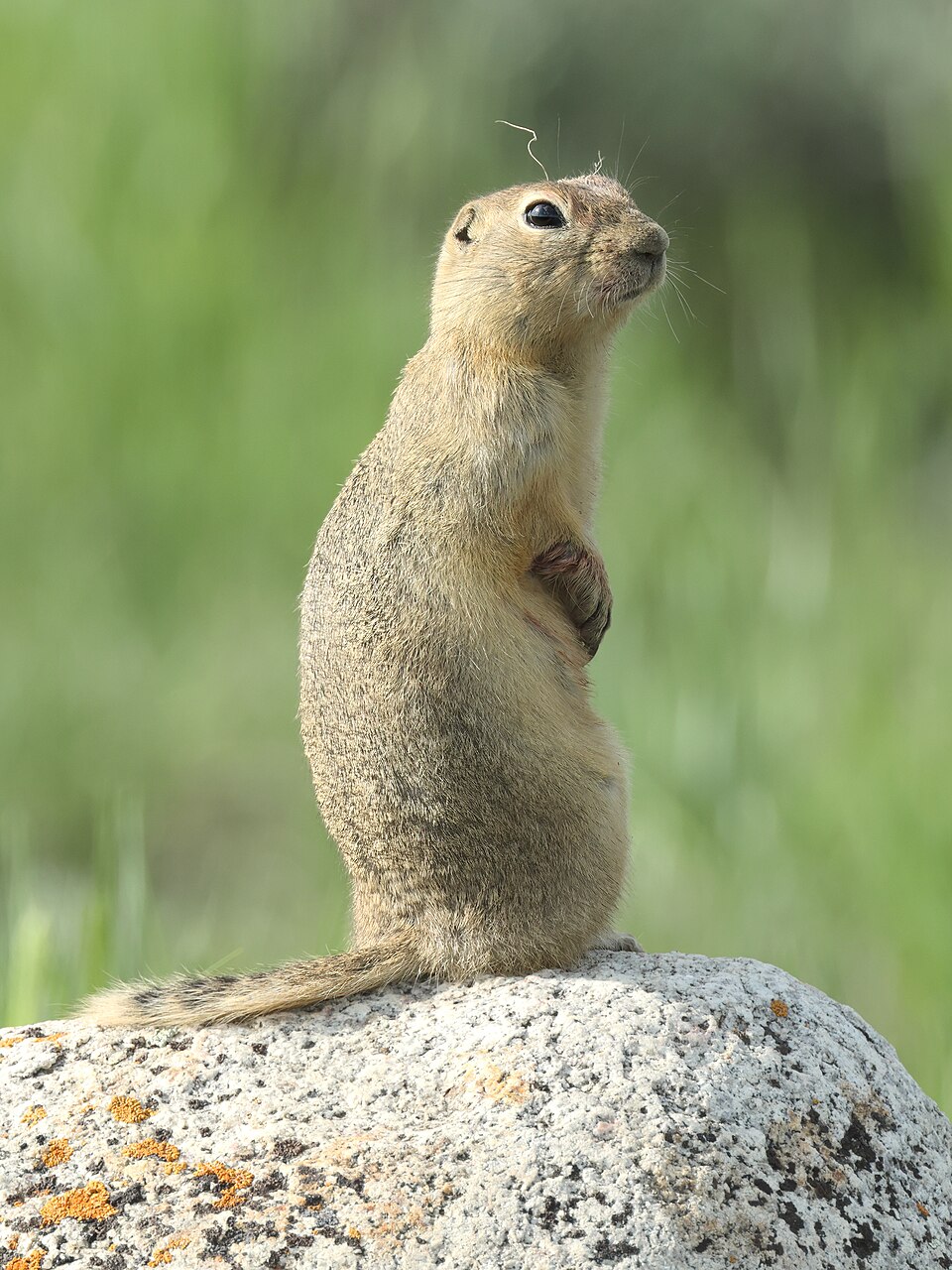
If the gopher colonies around the city seem quieter than in June, you're not imagining it. Adult Richardson's ground squirrels are already underground for the year. Many begin hibernation in July and August, more than seven months before they'll surface again. The ones still out there are mostly this year's young, eating hard against the clock.
Last call for the Perseids
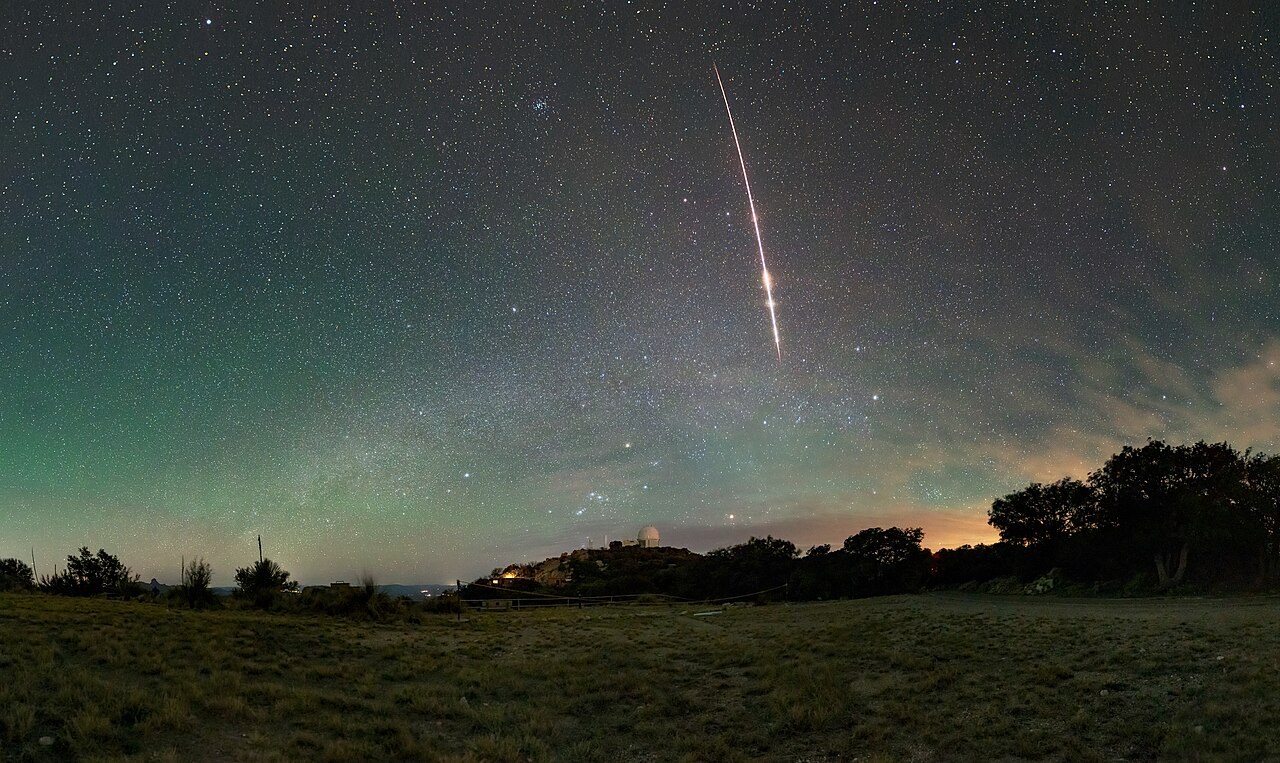
The year's most dependable meteor shower peaked last week, but it doesn't switch off overnight. Stragglers keep falling through about the 24th. Give your eyes twenty minutes to adjust and be patient. Even past peak, Perseids are fast and bright, and the good ones leave a glowing trail.
Also this week
tap for the full story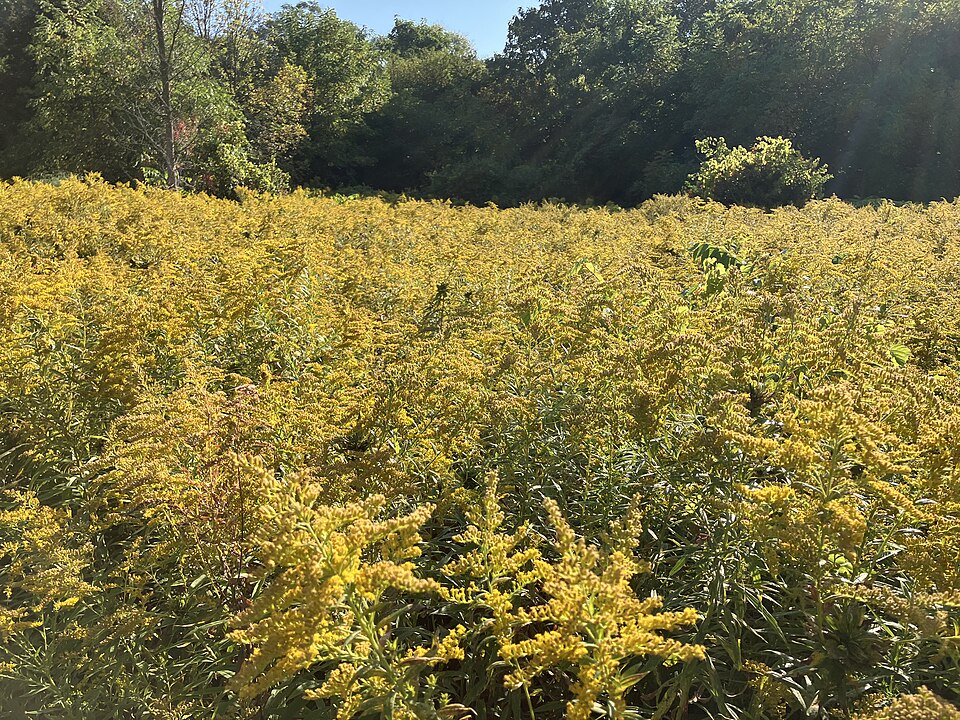
Goldenrod is at peak
Still in full peak, and will be for weeks. Count the different insects on one plume
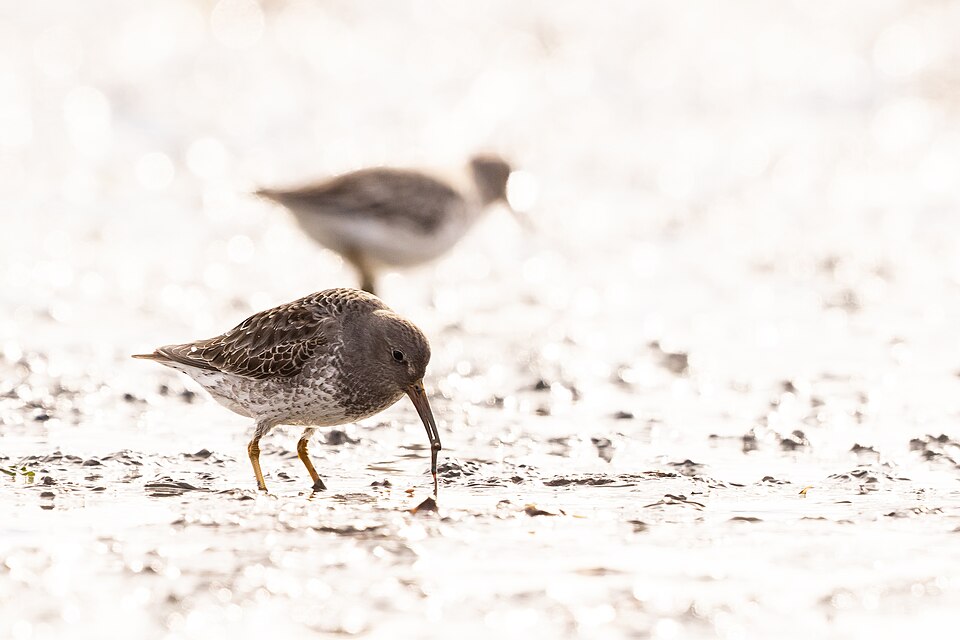
Fall migration is already happening
Mudflat traffic continues. Frank Lake and Weed Lake are the reliable stops
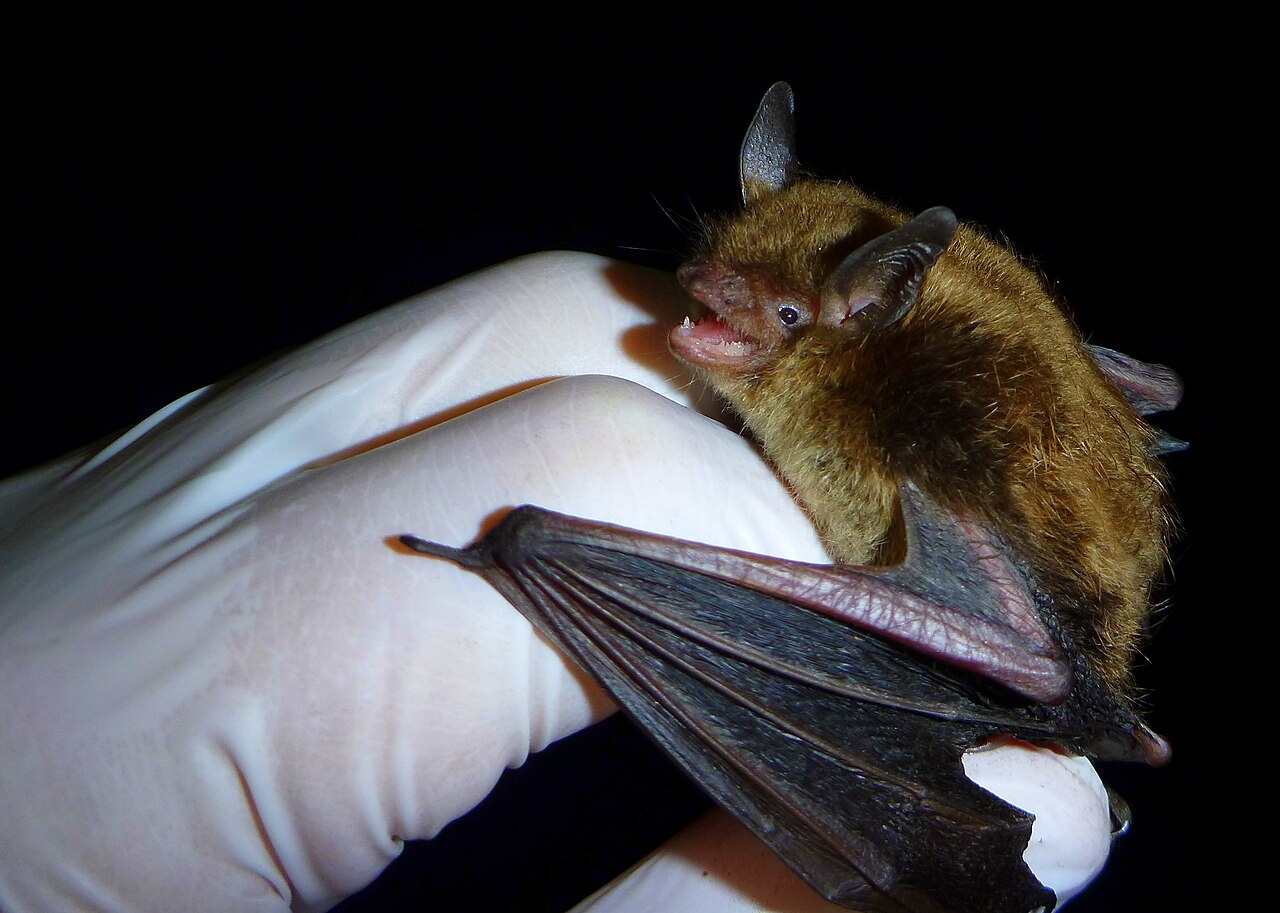
Bats over the river
Still hawking insects over the river pathways at dusk. Quiets by mid-September
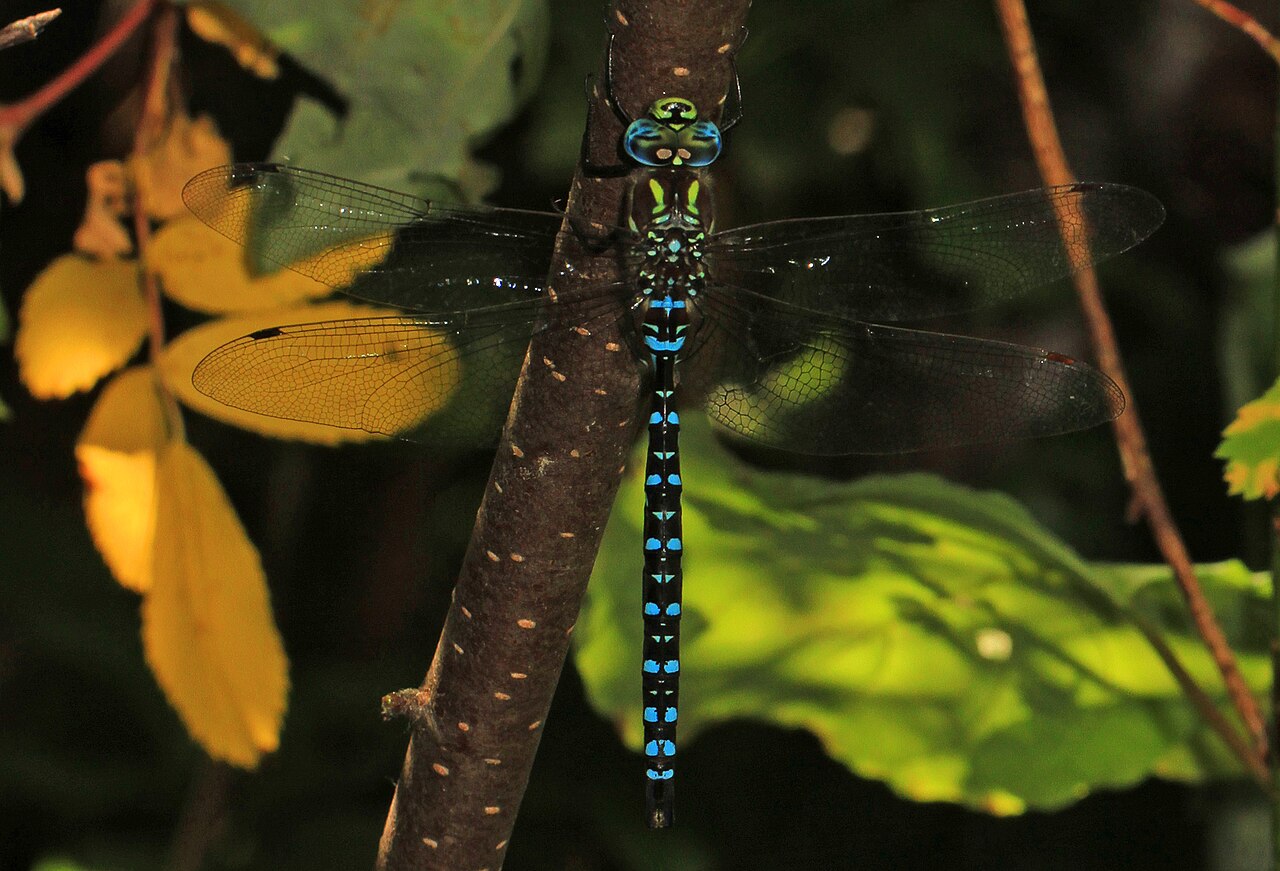
Darner season, at full tilt
Palm-length dragonflies still swarming sunny clearings at dusk
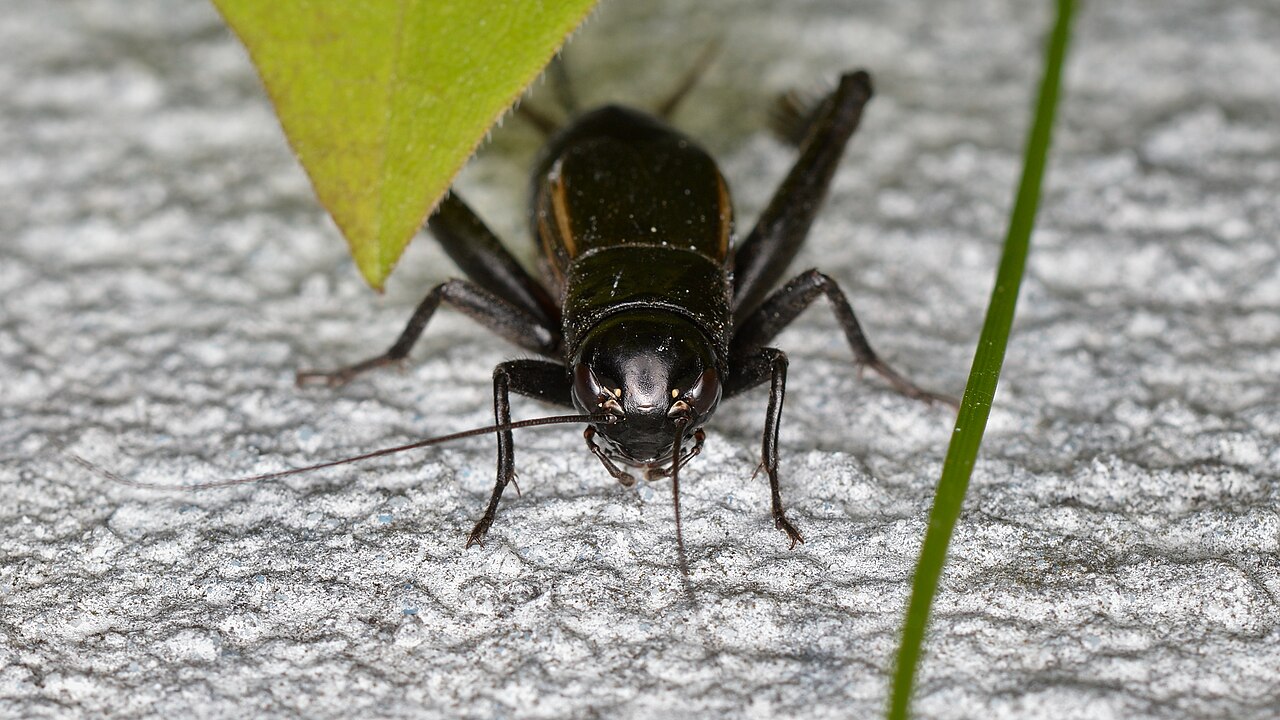
The crickets have started
In full chorus now. Count chirps for 8 seconds, add 5: that's roughly the °C
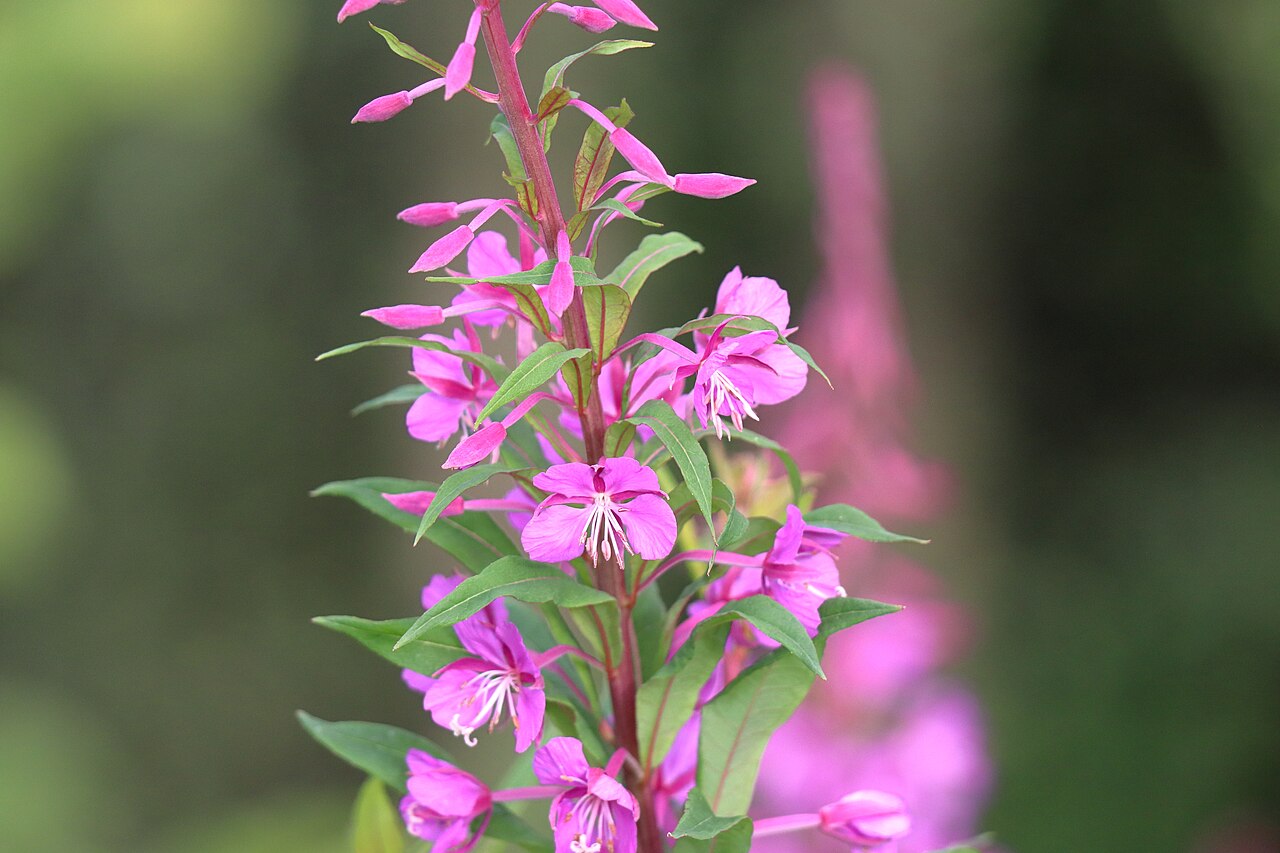
Fireweed says summer's ending
Flowering only at the very top now, fluff below. The progress bar is nearly full
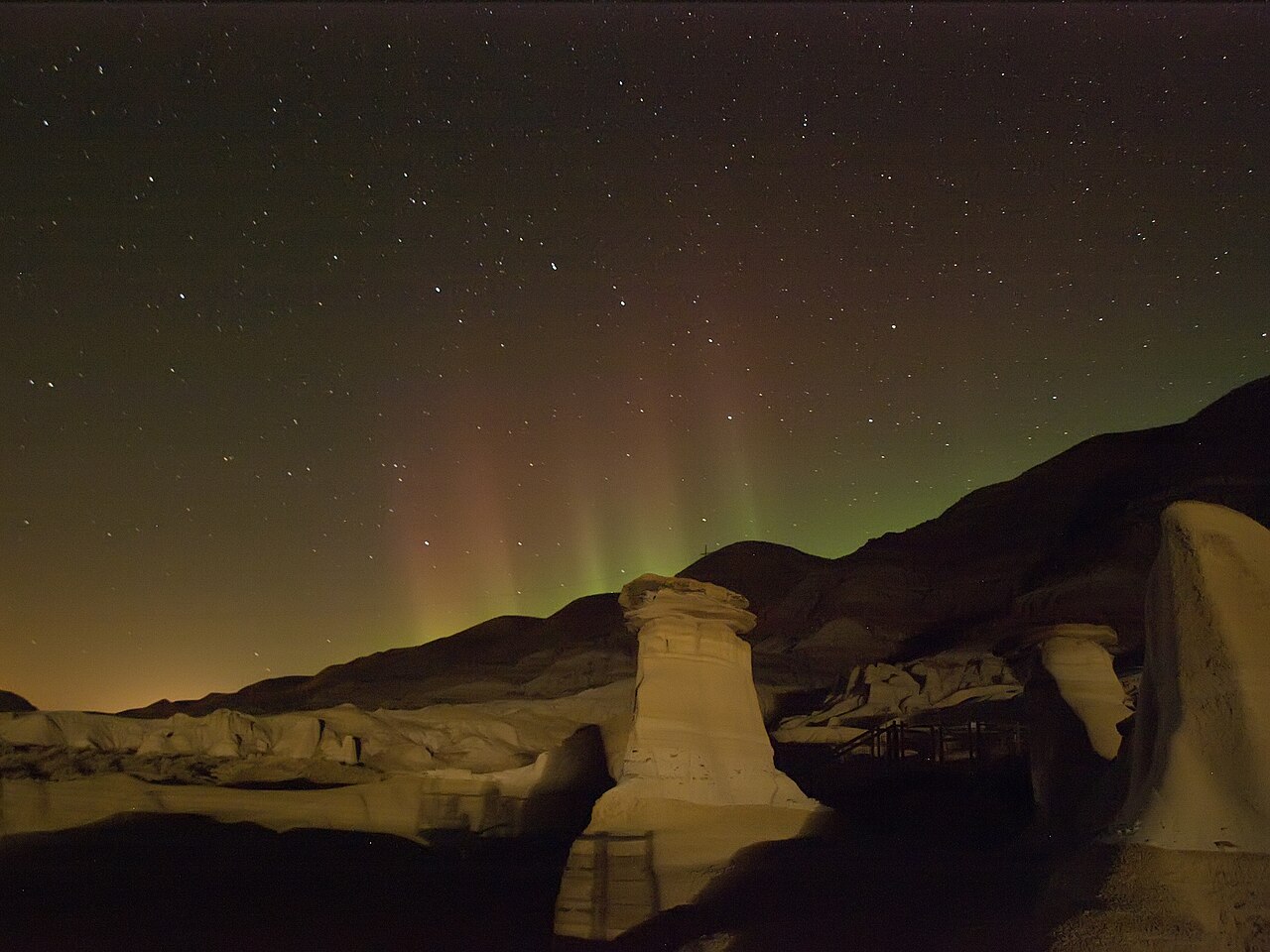
Aurora season is reopening
Season is open and nights are dark again. Quiet this week unless the sun says otherwise